Mandala Dream: A Strategic Tool for Creative Expression and Design Versatility
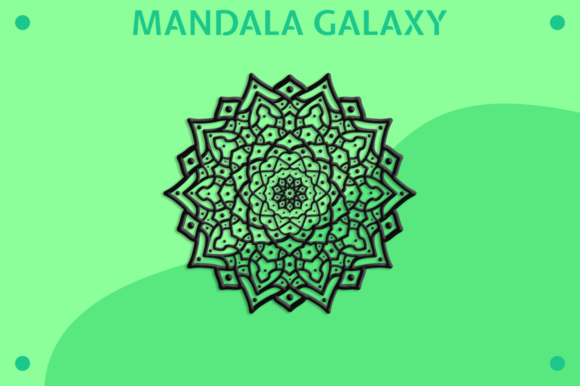
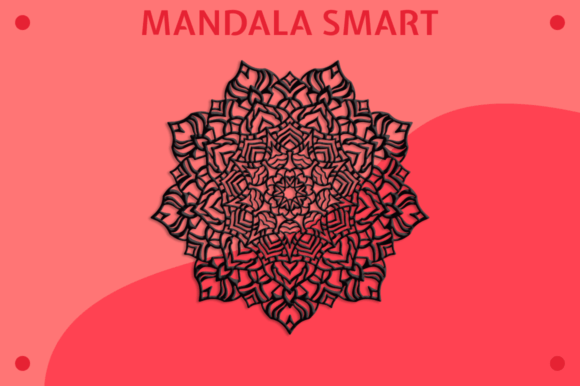
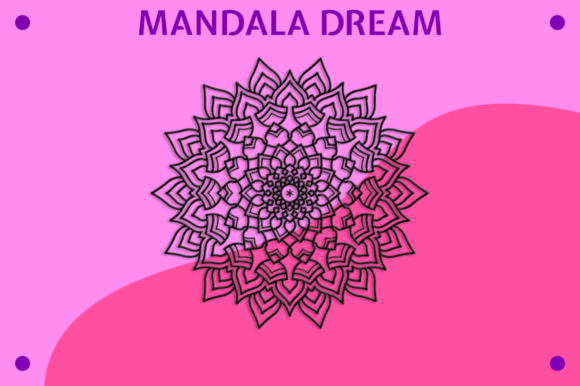
The Mandala Dream is more than just a visual motif; it's a powerful design element rooted in ancient symbolism and modern aesthetics. As a circular ornament pattern, it offers a unique blend of symmetry, balance, and intricate detail that can be strategically used across various creative fields. Whether you're designing a meditation poster, an adult coloring book page, or even a business card, the Mandala Dream provides a versatile foundation that enhances both artistic value and functional appeal.
Strategic Use of Mandala Dream in Creative Projects
When considering the use of Mandala Dream in your projects, it's essential to align its application with specific goals. This design can serve as a focal point in meditation posters, offering a calming and centering effect that supports mindfulness practices. For adult coloring books, the complexity and symmetry of Mandala patterns provide engaging challenges that stimulate creativity and focus.
In tattoo art, Mandala Dream designs are popular due to their deep cultural significance and aesthetic appeal. They can represent personal growth, spiritual journey, or inner peace. Similarly, in henna and Mehndi art, these patterns are often used in weddings and festivals to symbolize joy, love, and prosperity. The adaptability of Mandala Dream makes it a valuable asset in these diverse contexts.
Design Applications Across Industries
The versatility of Mandala Dream extends beyond traditional art forms into various industries. In graphic design, it can be used as a background pattern for fashion designs, enhancing the visual appeal of clothing lines. When applied to business cards or greeting cards, the intricate details of Mandala Dream add a touch of elegance and sophistication that can elevate brand identity.
For wedding invitations and gift vouchers, Mandala Dream patterns offer a unique way to stand out in a competitive market. Their timeless beauty and cultural resonance make them ideal for creating memorable and meaningful designs that resonate with clients.
As a vector illustration, Mandala Dream ensures scalability without loss of quality, making it suitable for print-ready files. With image sizes set at 8.5 x 11 inches and a resolution of 300 dpi, it meets the high standards required for professional printing. The safe area margins (top, bottom, left, right at 0.375 inch) ensure that the design remains intact during the printing process, avoiding any unwanted bleed.
Planning and Positioning Your Mandala Dream Designs
Before integrating Mandala Dream into your project, consider the context and audience. If you're targeting professionals or entrepreneurs, a minimalist Mandala design might be more appropriate, focusing on clean lines and subtle details. Conversely, if your audience includes hobbyists or artists, more intricate and detailed patterns could be more appealing.
It’s also important to define the purpose of your design. Are you aiming to convey a sense of calm and serenity? Or do you want to evoke a feeling of luxury and exclusivity? Understanding your goal will help guide your design choices and ensure that the Mandala Dream elements are used effectively.
Additionally, think about how the design will be used. Will it be printed on paper, displayed digitally, or incorporated into a product? Each medium may require different considerations regarding color, contrast, and detail.
Practical Examples and Tips for Implementation
Let’s explore some practical examples of how Mandala Dream can be implemented:
- Meditation Poster: Create a large-scale poster with a central Mandala surrounded by flowing floral designs. This encourages relaxation and focus during meditation sessions.
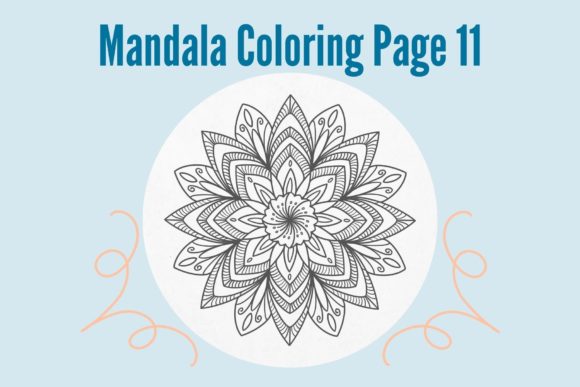
- Adult Coloring Book Page: Design pages with multiple Mandala patterns that vary in complexity, allowing users to choose based on their skill level and preference.
- Tattoo Design: Incorporate Mandala elements with personal symbols or names to create a unique and meaningful tattoo.
- Business Card: Use a small Mandala in the corner as a subtle branding element that adds visual interest without overwhelming the text.
- Fashion Design: Integrate Mandala patterns into fabric prints or embroidery to add texture and depth to clothing items.
These examples demonstrate how Mandala Dream can be tailored to meet different needs and preferences while maintaining its core aesthetic and symbolic value.
Risks and Considerations
While Mandala Dream is a versatile design element, there are risks associated with using it without clear goals or context. Overcomplicating the design can lead to visual clutter, especially in smaller formats like business cards or icons. It's crucial to maintain balance and ensure that the Mandala elements complement rather than overpower the overall composition.
Another consideration is cultural sensitivity. Mandalas have deep roots in various traditions, so it's important to respect their origins and meanings when incorporating them into your designs. Avoid using them inappropriately or in ways that could be seen as disrespectful.
Finally, always test your designs in the intended format and size before finalizing them. This helps identify any potential issues with scaling, clarity, or alignment that could affect the final outcome.
Conclusion
By thoughtfully integrating Mandala Dream into your creative projects, you can enhance the visual impact and emotional resonance of your work. Whether you're designing for personal use, commercial purposes, or professional branding, this versatile pattern offers endless possibilities. With careful planning and consideration, Mandala Dream can become a strategic tool that supports your creative vision and achieves meaningful results.